
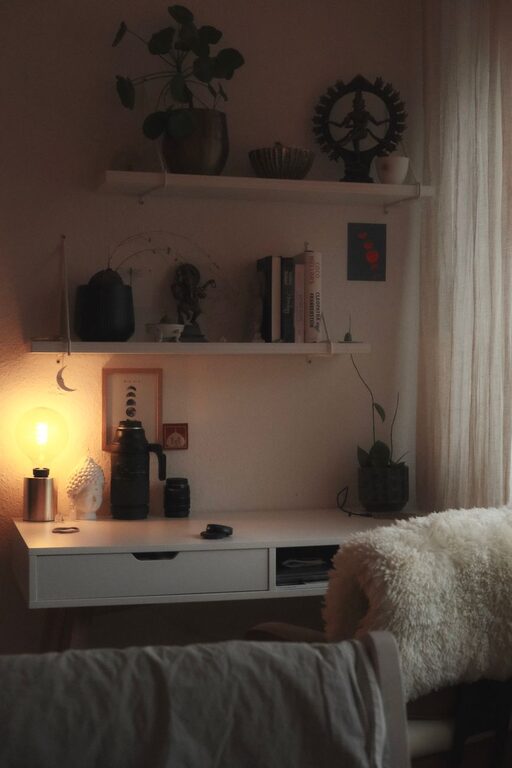
Creating a relaxing home environment is key to maintaining and boosting your overall well-being. After a busy day, having a calm and inviting space can help you unwind, reduce stress, and recharge your energy. In this post, we’ll explore practical tips and ideas for designing a home atmosphere that promotes relaxation and comfort.
Why a Relaxing Home Environment Matters
Your home is more than just a place to live—it’s your sanctuary. The way your living space feels can directly affect your mood and mental health. A cluttered, noisy, or uncomfortable environment may contribute to feelings of anxiety and restlessness, while a soothing and personalized space encourages peace and happiness.
Tips to Create a Relaxing Home Atmosphere
1. Declutter and Organize Your Space
Clutter can cause distraction and stress. Start by tidying up your rooms, getting rid of items you no longer need, and organizing belongings in a way that feels natural to you. Use baskets, shelves, and containers to keep things in place. A neat environment allows your mind to relax and focus on things that matter.
2. Choose Calming Colors
Colors have a strong influence on our emotions. Opt for soft, neutral shades such as pale blues, greens, or warm beige. These hues tend to have a calming effect and create a sense of tranquility. Avoid overly bright or intense colors in areas where you want to relax the most.
3. Incorporate Natural Light
Natural light boosts mood and energy. Where possible, open curtains and blinds during the day to let sunlight in. Consider using sheer curtains to diffuse light softly. If natural light is limited, use warm-toned light bulbs and lamps to create a cozy ambiance.
4. Bring Nature Indoors
Adding plants or flowers not only enhances the aesthetics but also improves air quality and creates a peaceful vibe. Choose low-maintenance houseplants like snake plants, pothos, or succulents. Their presence can make your home feel more alive and inviting.
5. Use Comfortable Furniture
Comfortable and supportive furniture encourages relaxation. Invest in a good quality sofa, armchair, or mattress suited to your preferences. Soft cushions, throws, and rugs can add layers of comfort. Arrange seating to foster easy conversation and relaxation.
6. Introduce Soothing Scents
Aromatherapy can have a calming effect on the mind. Use essential oils, scented candles, or natural potpourri with fragrances like lavender, chamomile, or eucalyptus. These scents are known to reduce stress and promote restful sleep.
7. Minimize Noise and Distractions
Create quiet zones by reducing background noise. Use rugs, curtains, and soft furnishings that absorb sound. Consider white noise machines or calming music playlists to drown out disruptive sounds. If possible, designate a specific room or corner for relaxation, away from busy household areas.
8. Create a Personal Relaxation Corner
Design a small nook or area in your home dedicated solely to relaxation. This could be a reading chair with a bookshelf nearby, a meditation cushion with soft lighting, or a cozy spot with pillows and blankets. Having a personal retreat encourages regular downtime.
9. Use Technology Wisely
While technology can help with relaxation (like playing soothing sounds), too much screen time tends to disrupt rest. Set boundaries for device use in your relaxation areas and keep electronic gadgets stored away when not in use.
10. Personalize Your Space
Incorporate elements that bring you joy—photos, artwork, treasured objects, or mementos from happy experiences. Personal touches make your home feel uniquely yours and foster emotional well-being.
Maintaining Your Relaxing Home Environment
Creating a calming space is an ongoing process. Make it a habit to regularly tidy up, refresh decor, and assess what still makes you feel good. Pay attention to how your environment affects your mood and make adjustments over time.
Final Thoughts
Transforming your home into a relaxing haven doesn’t require major renovations or expensive purchases. Small steps like decluttering, adding natural elements, and choosing soothing colors can have a big impact on how you feel. Prioritize comfort, simplicity, and personalization to create a space that supports your well-being every day.
Remember, your home should be your refuge—an easy place to relax, recharge, and enjoy life. Start with one or two tips today and build your peaceful sanctuary from there.